
This media could not load.
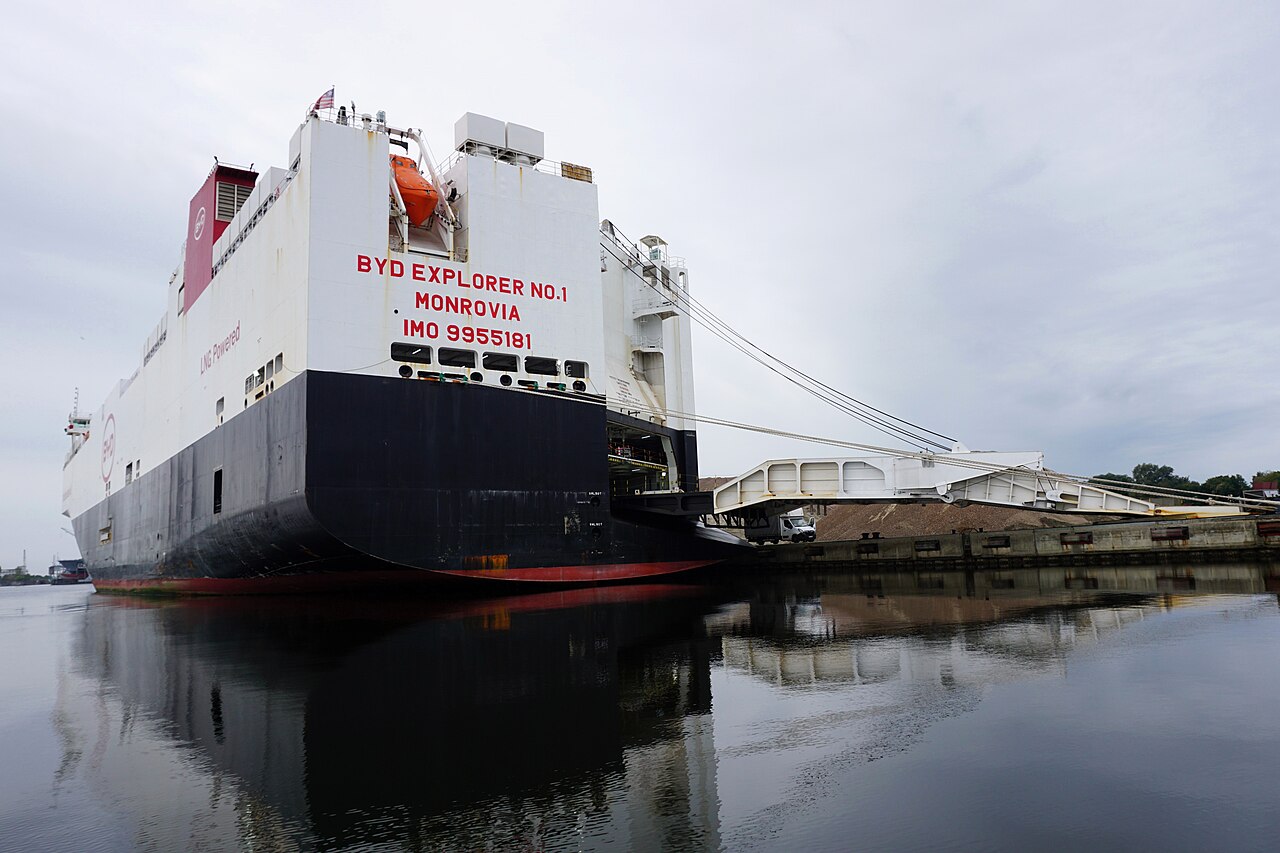
Photo by Ein Dahmer via Wikimedia Commons, resized and licensed under CC BY-SA 4.0.
If you buy vehicles from China, the biggest change in 2027 may be who can supply the cars you want, in what quantities, and with what after-sales support. New-car supply is likely to become more concentrated among manufacturers and authorized exporters. Independent traders, meanwhile, may rely more heavily on used vehicles, with the strongest competition for recent models with low mileage and verifiable histories.
New Chinese cars may get harder to source through independent traders
Chinese automakers are expanding their distribution networks. Geely reported more than 2,000 sales and service outlets across over 100 markets in the first half of 2026. As brands invest in local dealerships, parts, and service centers, I expect some to narrow the territories independent traders can serve or reduce the stock available to them. Independent traders may still find opportunities in markets with limited official coverage. Geely’s overseas business update
Since January 1, 2026, vehicles submitted for export as used within 180 days of registration, including day 180, have required an after-sales service confirmation from the manufacturer. For the 2027 licensing year, certain lightly modified vehicles applying under the passenger-car category also require written after-sales support from the original manufacturer. Authorized exporters can still export new cars, but smaller dealers may face fewer supply options and higher minimum orders. Used-vehicle export rules · 2027 licensing notice · Manufacturer authorization rules
Two tax developments could support prices in 2027
From April 1, 2027, China will cut the export VAT rebate on listed new energy vehicles from 13% to 9%. The export date on the customs declaration determines which rate applies. How much of the change reaches your purchase price depends on what manufacturers, exporters, and dealers can absorb. Models with ample stock and close substitutes should retain more room for negotiation. Scarce models are more likely to see higher quotes. Export VAT rebate announcement
The domestic factor is what Chinese buyers expect to pay in 2028. In 2026, qualifying vehicles moved from a purchase-tax exemption to a 50% reduction. For many cars that previously received the full exemption, that meant going from zero purchase tax to an effective rate of around 5%. The same relief applies through December 31, 2027, with a reduction capped at RMB 15,000 per passenger vehicle. Buying a qualifying vehicle in China could cost more in 2028 if the relief expires without an extension. Domestic vehicle purchase-tax announcement
That expectation could affect overseas buyers a year earlier. If Chinese consumers bring purchases forward into 2027, especially in the second half, popular models could see smaller discounts and longer delivery times. Some buyers may switch to nearly new cars, supporting prices for low-mileage examples of the same model. Continued promotions, higher production, or an extension of the tax relief could soften the effect. I expect the strongest pressure where stock is already tight.
The most sought-after used cars will be the easiest to verify
I expect competition to be strongest for popular models more than 180 days past registration with low mileage, original body panels and paint, and verifiable histories. Russia’s parallel-import market for the Zeekr 9X is one example to watch. The question is whether well-documented cars with reliable delivery dates consistently earn a premium over other examples of the same model. Autonews reporting on the Zeekr 9X in Russia
The shift will be difficult for some new-car exporters. Used cars have to be inspected, priced, and prepared individually. For an EV or plug-in hybrid, the buyer also needs to know the battery condition, which infotainment and account features work in the destination country, and who can source parts or carry out repairs. One unexpected repair can wipe out the margin on a sale.
Traditional Chinese used-car dealers already know how to source and value cars. Exporting at scale also requires cross-border payments, documentation, logistics, and overseas service partners. Among the businesses I’m watching are Guazi, Taoche, Uxin, and ZEEX AUTO. I expect more business to flow to suppliers that can apply consistent inspection standards across a batch and resolve problems after delivery.
What this means for overseas dealers and individual buyers
Importers that have relied on parallel channels for new cars have two paths to consider. An authorized dealership can provide more predictable access to vehicles, parts, and technical support, with the dealer taking on local sales and service. A used-car import business can source across brands, with more of the work going into inspections, preparation, and responsibility for problems discovered after arrival.
Individual buyers may find it harder to buy a single car directly from China. Larger exporters have an incentive to sell in batches to overseas dealers that handle handover and after-sales service locally. Direct purchases will still be possible, but independent inspection, shipping, and post-delivery support may cost more per vehicle. Compare a local dealer’s price against the full cost of getting a directly sourced car on the road and keeping it serviced.
For orders due to ship around April 1, confirm who bears any price adjustment if the customs export date slips past the rebate change. Later in the year, watch three signals for the models you buy: Chinese new-car discounts, delivery lead times, and the availability of comparable low-mileage used stock. If discounts shrink, lead times lengthen, and used stock thins at the same time, you have a stronger reason to bring an order forward.