

This media could not load.
Image: First Electric (d1ev.com)
Yijing, the premium EV brand created by Dongfeng and Huawei, has launched the pure-electric X9 at the 2026 Guangzhou Auto Show with a limited-time starting price of RMB 279,800. The launch adds a 1,000V architecture and a standard four-lidar Huawei driver-assistance system to the large six-seat SUV.
What launched
The X9 EV comes in two trims: the rear-wheel-drive Max+ at RMB 279,800 and the four-wheel-drive Ultra+ at RMB 319,800 (both limited-time prices). Buyers can receive up to RMB 44,000 in configuration credits, and Yijing has added a lifetime battery warranty for the first non-commercial owner. Deliveries are scheduled to begin alongside the launch.
Price and trims
- X9 EV Max+ (rear-wheel drive): RMB 279,800 limited-time
- X9 EV Ultra+ (all-wheel drive): RMB 319,800 limited-time
The extended-range X9, which went on sale earlier, is priced from RMB 279,800 to RMB 359,800 and provides a reference point for the pure-electric version's positioning.
Specifications
- Dimensions: 5,301 mm long, 2,015 mm wide, 1,805 mm high; wheelbase 3,120 mm; six-seat layout
- Powertrain: 300 kW rear motor in the Max+; 150 kW front plus 300 kW rear, 450 kW combined, in the Ultra+
- Top speed: 200 km/h for both versions
- Battery: CATL lithium iron phosphate (LFP) across the range
- Charging: 1,000V "Tianqing" platform with 5C cells; Yijing says charging is about 25% faster than conventional 800V cars and the system can step up voltage when connected to older, lower-voltage chargers
- Chassis: dual-chamber air suspension, continuously variable dampers, road preview and up to 14 degrees of rear-wheel steering
Yijing did not publish a complete CLTC range figure for the pure-electric X9 at the launch. It says the 1,000V coaxial motor, the first of its kind in mass production, improves efficiency to 94.03% and adds 28 km of range. Those figures should be treated as company claims until an official range number is released.
What stands out
The X9 EV is the first production model to combine Huawei's Qiankun ADS 5 driver-assistance stack with a 1,000V electric platform. Four lidar sensors are standard, including one 896-line dual-path unit and three solid-state units. The cabin uses Huawei's HarmonyOS-based interface, and the big SUV also gets dual-chamber air suspension and rear-wheel steering to make a 5.3-metre vehicle easier to manoeuvre. Yijing markets the car as "the strongest pure-electric SUV under RMB 300,000", a claim that should be read as marketing rather than an independent verdict.
Importer takeaway
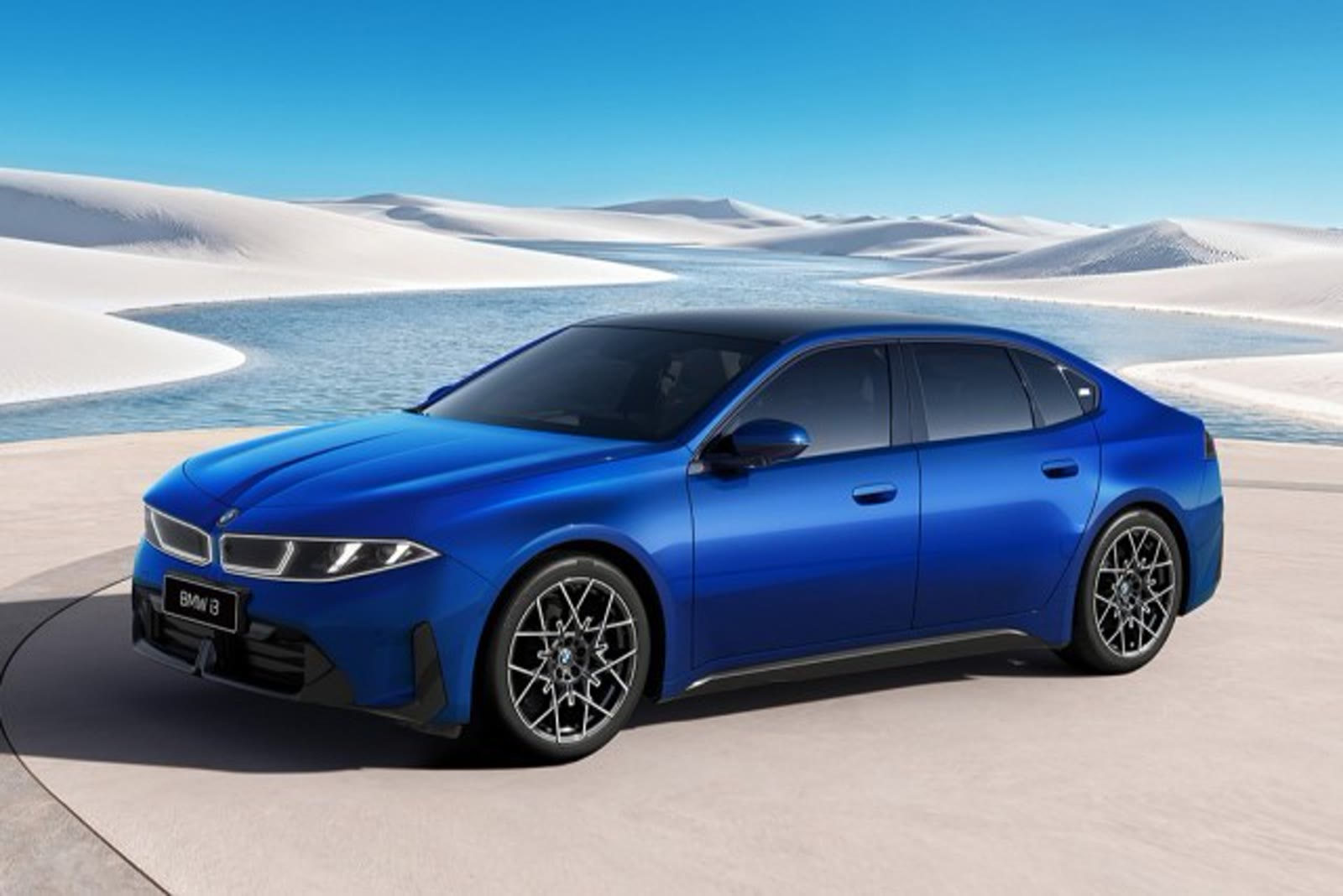
The X9 EV shows how quickly 1,000V systems and Huawei hardware are moving into China's large-family SUV segment. For importers, the practical questions are different: a 1,000V pack needs charging infrastructure that can exploit it, and destination markets may have nothing above 400V or 800V. Export availability, homologation, charging standards, software localisation and warranty support all need separate confirmation. The lack of an official range figure also means buyers should wait for the specification sheet before comparing it with the BMW i3 or the Zeekr 7X.
At 5.3 metres long and 2 metres wide, the X9 is aimed at families who need three usable rows. The second row uses two individual seats with a central aisle, and the cabin was designed around six adults. Yijing has not published kerb weight, battery capacity or a CLTC range for the pure-electric version, so efficiency comparisons with the BMW i3 or the Zeekr 7X are not yet possible.
Related coverage
For more China-market prices and specifications, see the Car Space vehicle database and the launch calendar. Related launch reports: BMW i3 2027 and Hongqi H9 PHEV.

Community comments
0Ask a question or share your experience.
Start the conversation. Be the first to leave a comment.